
Open Cell Spray Foam Insulation in Sammamish
Lower Cost Per Inch, More Inches Required
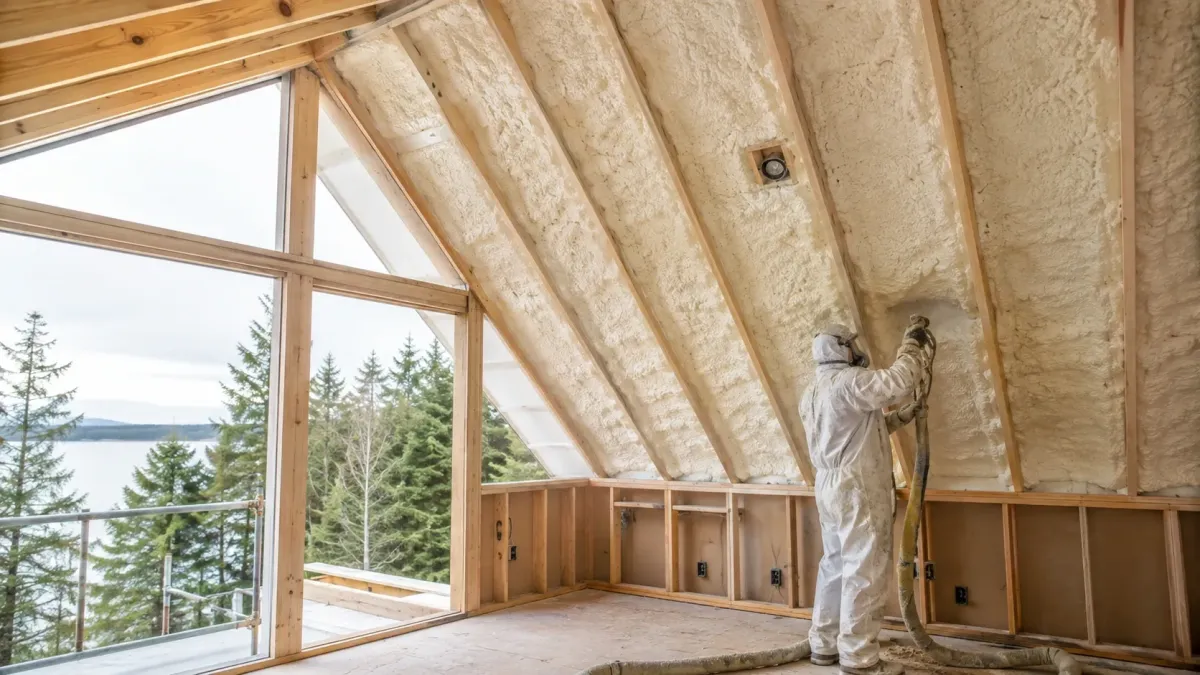
Open-cell spray foam is the lighter product, and where it fits it is the better value. It seals air just as effectively as the denser alternative, costs less per inch, and expands further, which helps it fill irregular cavities completely. What it does not do is resist moisture or deliver as much R-value per inch, and those two limits are what decide where it belongs. In practice that means attics and interior wall cavities. An attic where the roof deck is sound and there is room above the rafter line to build depth is the clearest case: the target R-value gets reached with more inches of a cheaper product, and the finished assembly performs the same. Interior partitions and floors between storeys are another, though there the reason is often sound rather than heat. Where open-cell does not belong is anywhere ground moisture or standing water is a factor, which rules out crawl spaces, rim joists and below-grade walls on the Plateau. It also gets ruled out wherever cavity depth is fixed and too shallow to reach the target, since no amount of the cheaper product will get a shallow bay to code. The specification we write names the product, the depth in inches, and the finished R-value, so the decision between the two foams is visible rather than buried in a price.
Open-cell expands substantially after application, so cavities are filled and then trimmed flush before drywall or sheathing goes back on. That trimming is part of the job, not an extra. Substrate has to be dry, and we confirm there is no active leak into the cavity before starting, since open-cell will hold water if water reaches it. You receive the applied depth per assembly and the product data sheet at close-out. Where the assembly qualifies for a Puget Sound Energy weatherization rebate, eligibility gets settled before scheduling.
What's Included in our Open Cell Spray Foam service?
Attic and Rafter Bays
Uses available depth to reach target R-value at lower cost per inch.
Interior Wall Cavities
Fills and seals stud bays where moisture exposure is not a factor.
Sound Dampening Between Floors
Reduces airborne noise moving through floor and interior partition assemblies.
Proudly serving Sammamish, Issaquah, Snoqualmie, Duvall, Fall City and Carnation for years.
Comprehensive Spray Foam Insulation Services in Sammamish
Tailored to Your Needs
Ten assemblies, each with a different foam specification. Crawl spaces and attics carry the most work on the Plateau because that is where the air leaks and the rainy-season moisture are. Walls, garages, basements and rim joists come up on retrofits. Removal comes up when someone else got the depth or the ventilation wrong.
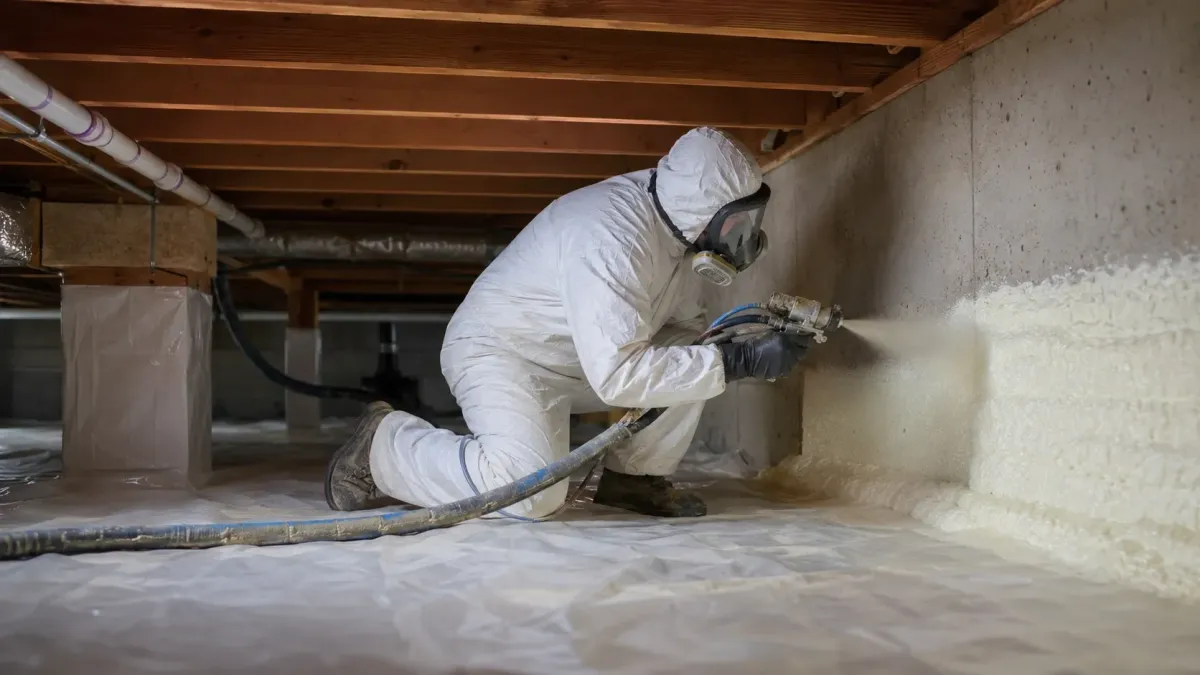
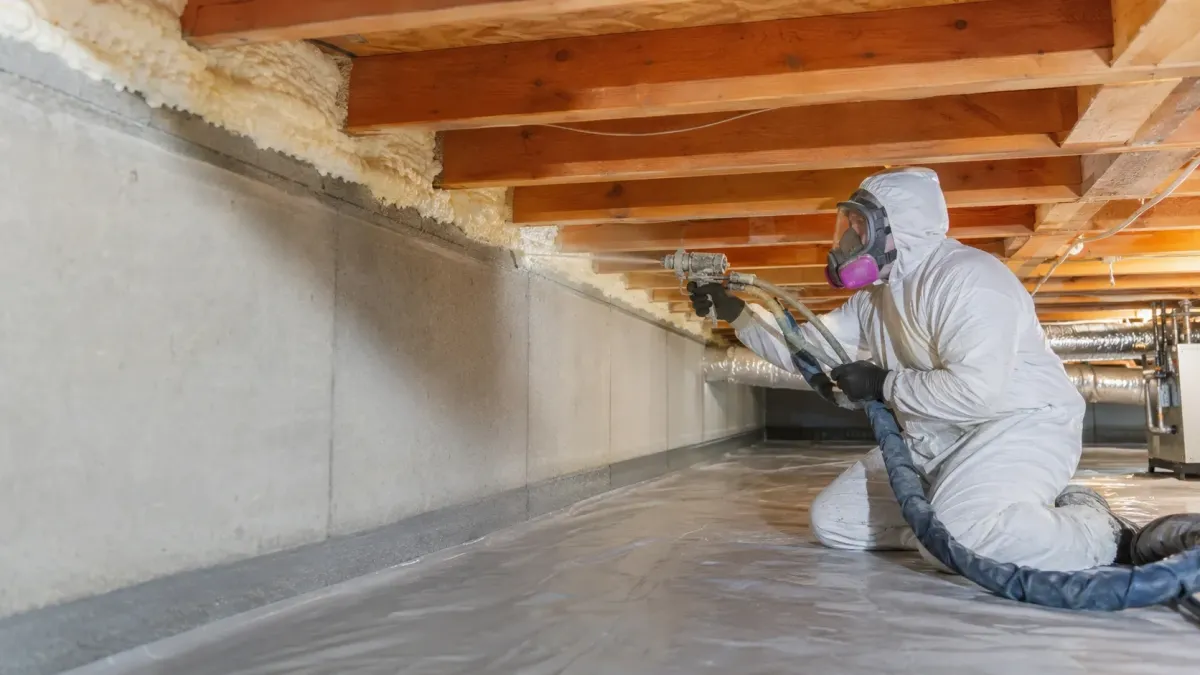
Crawl space foam seals the rim joist and subfloor against air movement and ground moisture.
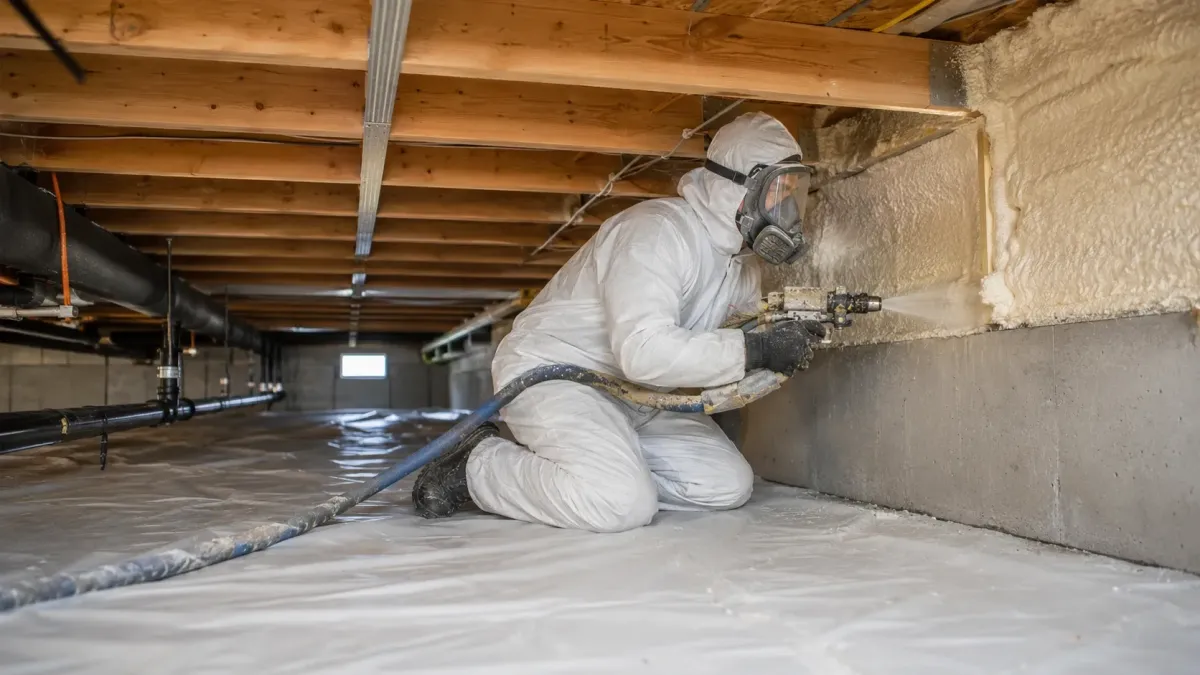
Closed-cell foam delivers more R-value per inch and resists moisture in the assembly.
Attic foam moves the thermal boundary to the roof deck or seals the ceiling plane.
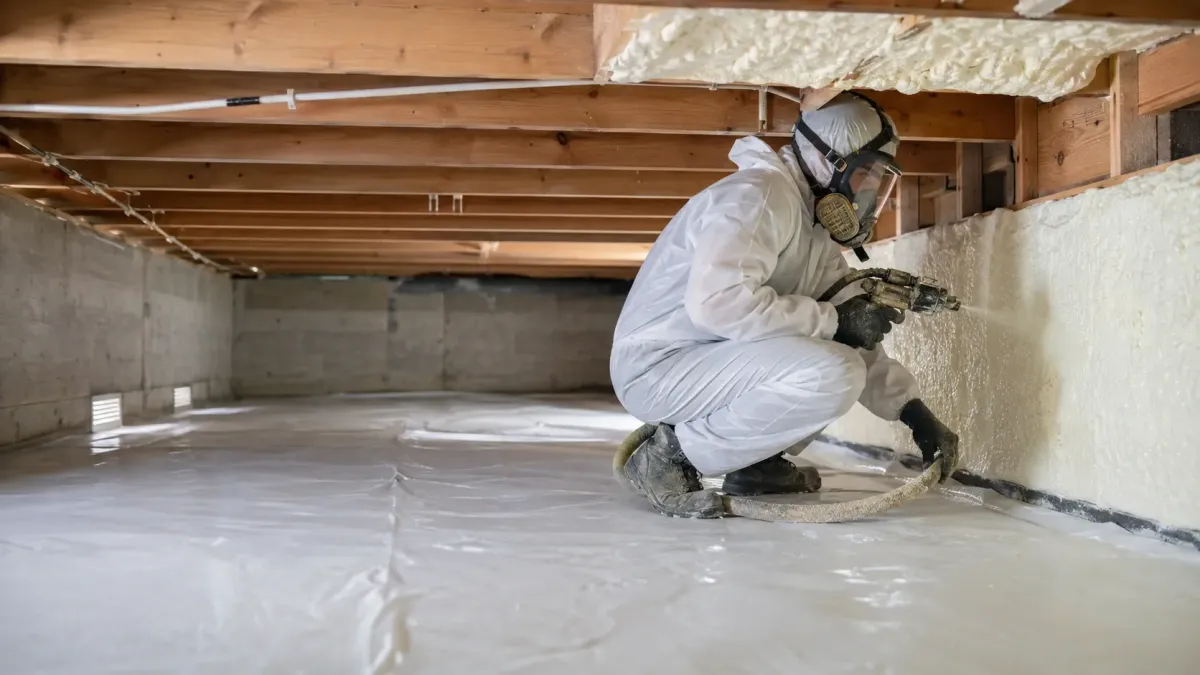
Open-cell foam air seals at lower cost per inch where cavity depth is available.
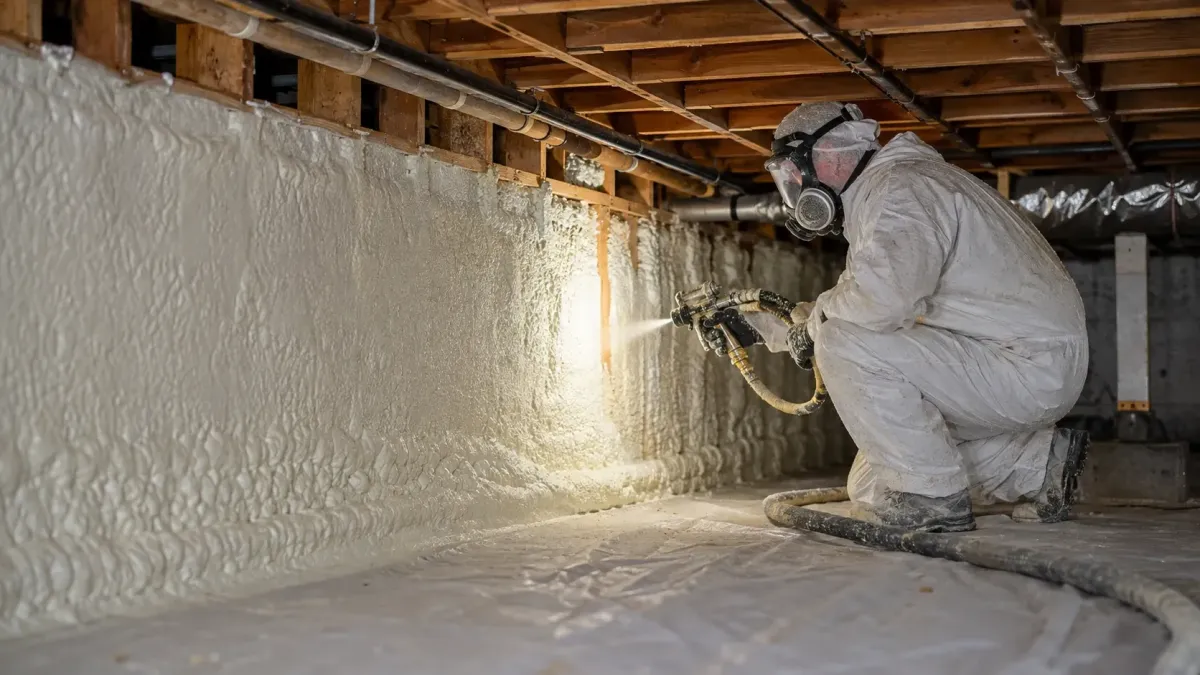
Wall foam fills and seals stud bays that batt insulation leaves open at the edges.
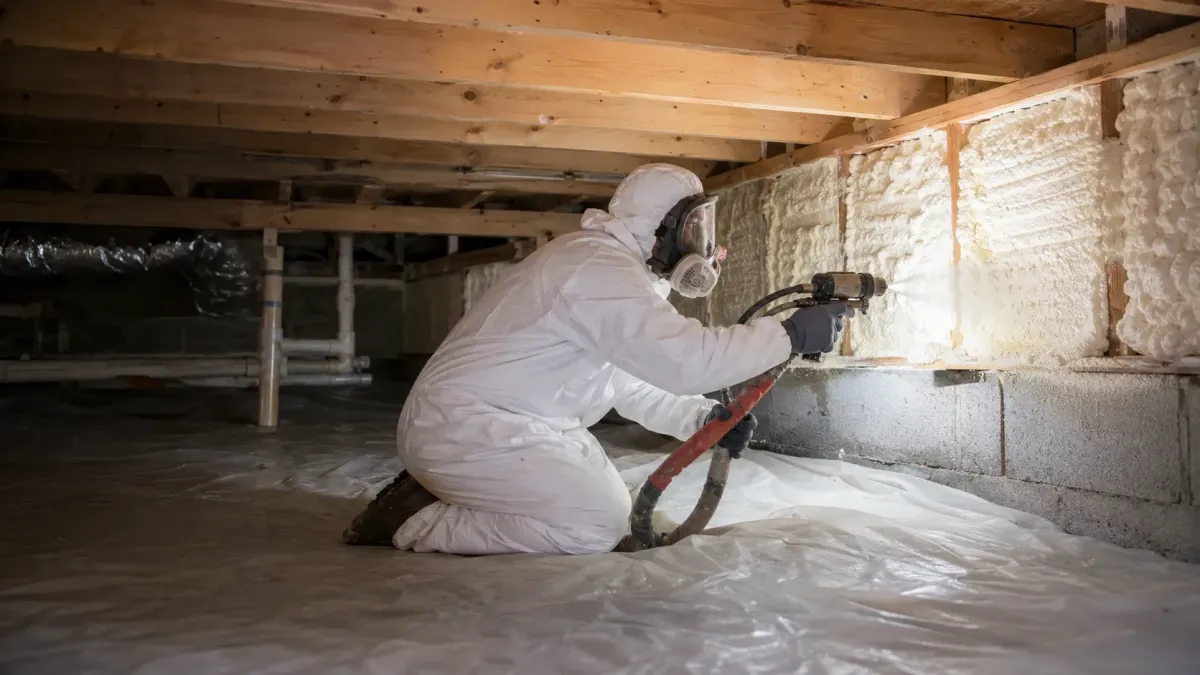
Garage foam separates unconditioned space from the rooms above and beside it.
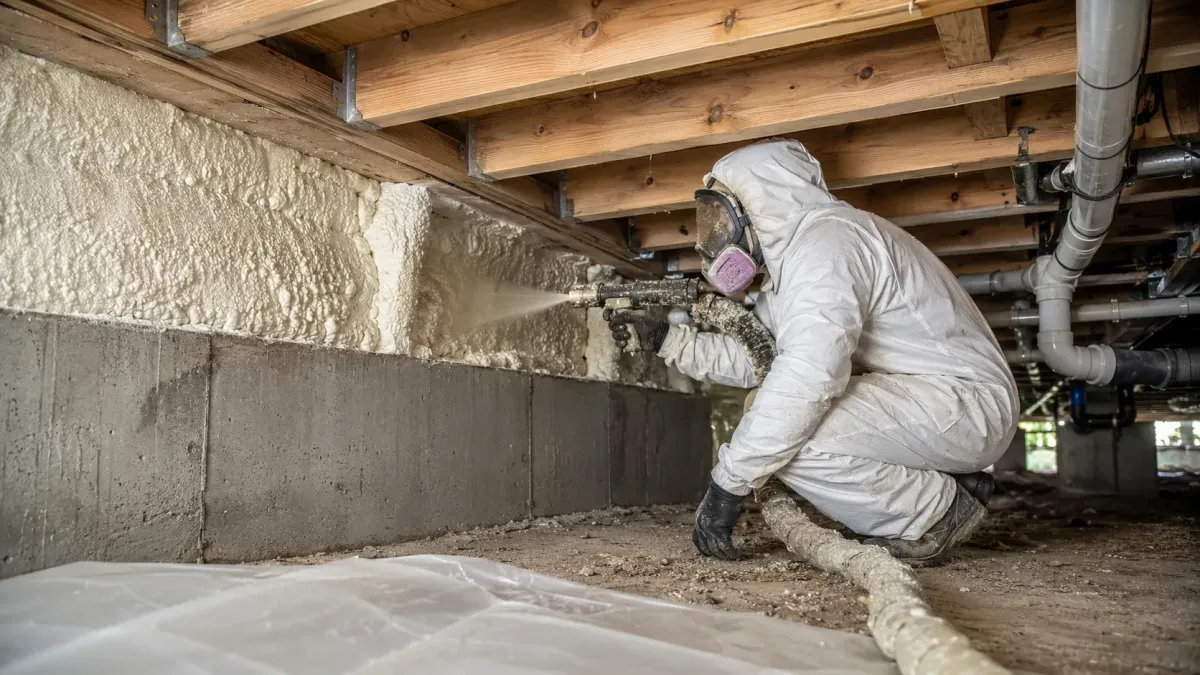
Basement foam insulates foundation walls and rim joists against ground temperature and moisture.
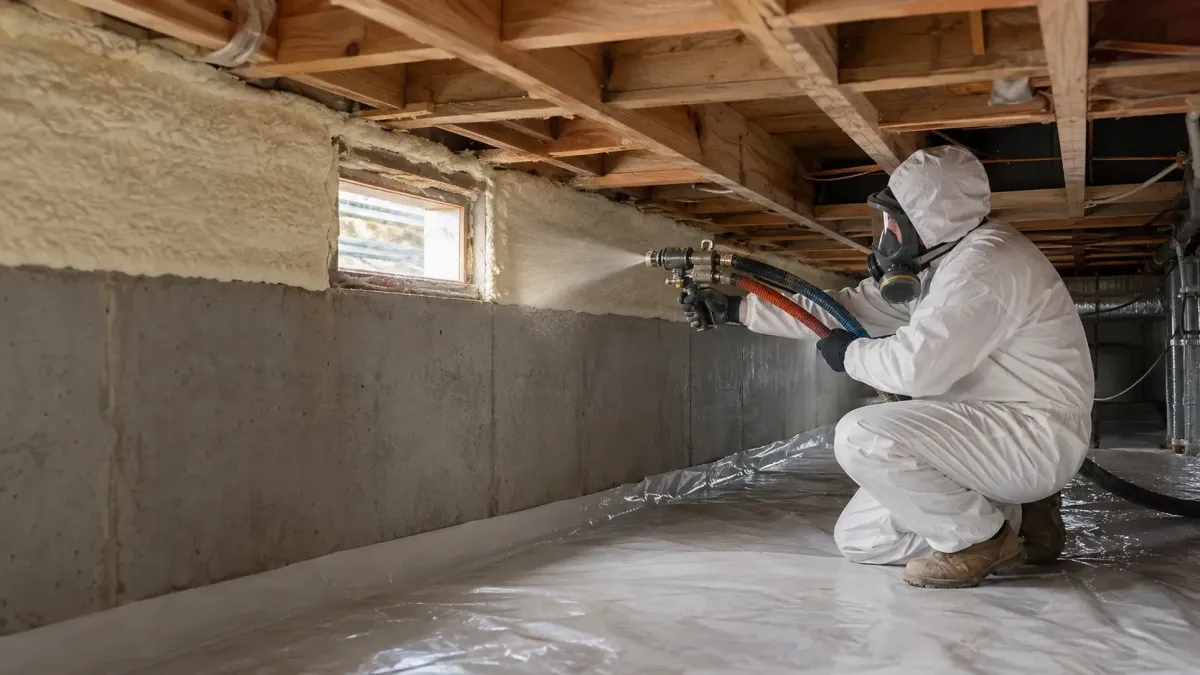
Commercial foam insulates metal buildings, flat roof decks and tenant improvement build-outs.
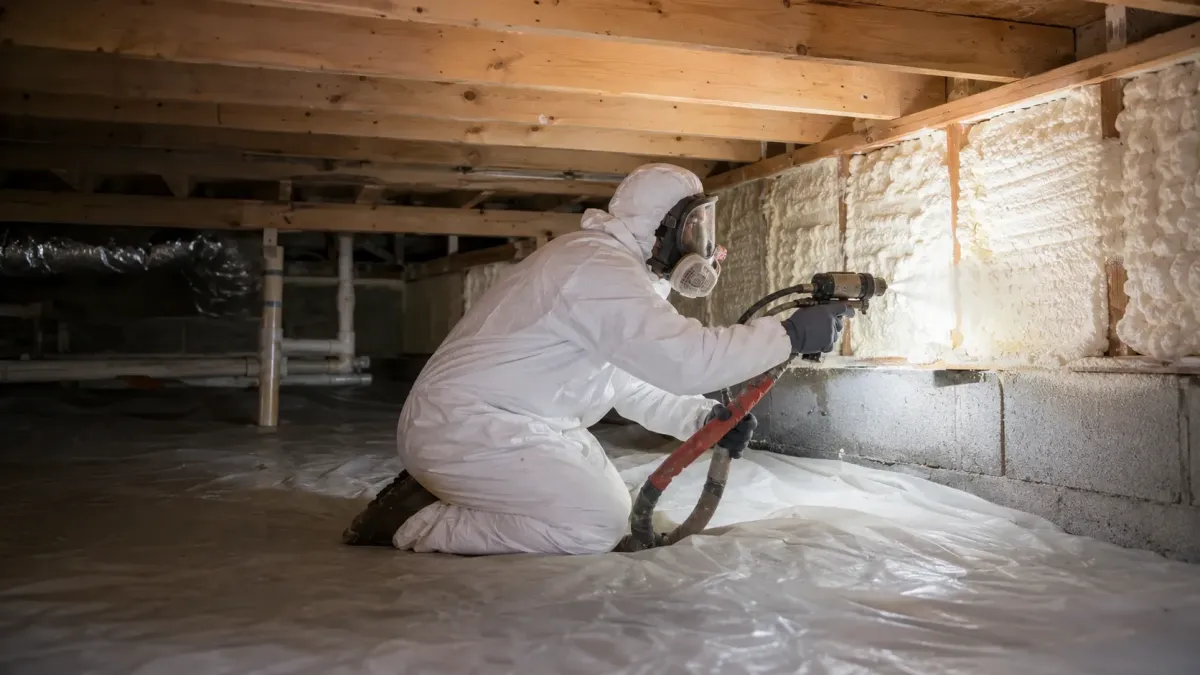
Removal takes out failed or misapplied foam and exposes the substrate underneath.
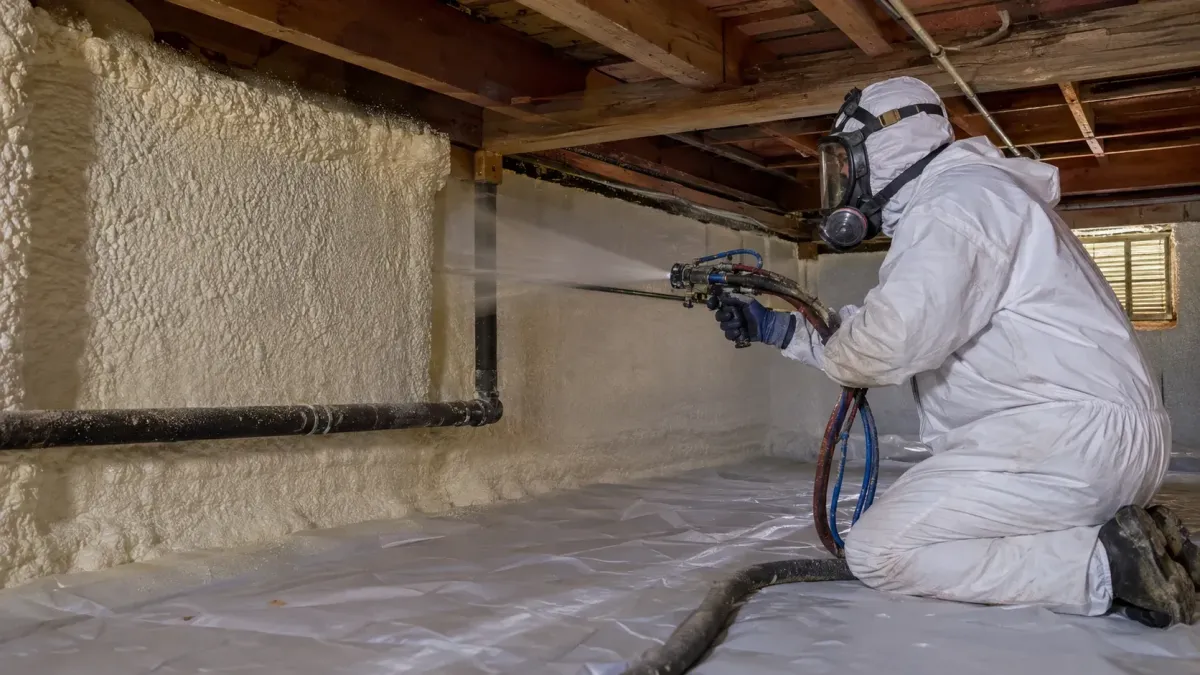
A whole-house assessment ranks which assemblies to insulate first and why.
Cities We Insulate Around Sammamish
Spray foam insulation for Sammamish Plateau homes
Permit authority changes at every city line out here, and so does the water district. Issaquah, Snoqualmie, Duvall and Carnation each run their own permitting, while Fall City is unincorporated and routes through King County instead. We already know which desk a job goes to before the estimate is written.
Frequently Asked Questions
Spray Foam Insulation can be complex, and we’re here to provide answers to common questions. Here are some frequently asked questions from our clients.
Frequently Asked Questions about spray foam insulation Sammamish WA
How much does it cost to spray foam a 2,000 sq ft home?
There is no single figure, because spray foam is priced by the square footage of the assembly and the depth applied to it, not by the size of the house. A 2,000 square foot home with only the crawl space done is a fraction of the same home with the crawl space, rim joist and attic all sealed. Closed-cell costs more per inch than open-cell and is specified at lower depths, so the two do not compare directly. We measure each assembly, state the depth, and price from that.
Why is spray foam insulation now a red flag?
The concern comes from jobs where foam was applied over an existing moisture problem or without a ventilation plan, which traps the problem behind a sealed surface. It also comes from installations where the depth was never documented, so nobody can confirm what R-value the assembly actually reached. Both are installation failures rather than material failures. We inspect for moisture and rot before anything is sprayed, and the depth goes on the paperwork.
What is the downside of spray foam insulation?
It costs more up front than batt or blown-in, and it is not a material you can pull back and adjust later without cutting it out. Closed-cell foam in particular bonds hard to whatever it touches. That permanence is the reason the assessment matters more than it does with fiberglass: getting the assembly and the depth right the first time is the whole job. Where an assembly does not justify foam, we say so.
Why is it hard to sell a house with spray foam insulation?
The friction comes up at inspection when there is no documentation of what was applied and how deep. An inspector who cannot confirm the foam type, the depth, or that the roof deck was sound before the spray will flag it, and a lender may follow. Foam that was specified, permitted where required and documented does not usually create that problem. We leave you the product data and the applied depths in writing for exactly this reason.
Do you need a permit for spray foam insulation in Sammamish WA?
It depends on the scope. Insulation work that stays inside an existing assembly often does not, while work that changes the assembly, touches the roof deck, or forms part of a larger remodel generally does. City of Sammamish building permits are filed through MyBuildingPermit.com, and the Permit Center takes general questions on the process, so we confirm which category your job falls into before scheduling rather than after.
What are Puget Sound Energy rebates for spray foam insulation in Washington?
Puget Sound Energy runs weatherization rebates covering insulation and air sealing, and the amount depends on the assembly and how much existing insulation is already there. The rebate is not paid to you directly. It has to be installed by a PSE Recommended Energy Professional or Trade Ally, and the contractor deducts it from the invoice as an instant credit at the point of sale. That means eligibility gets confirmed before the work is scheduled, not after it is finished.
Frequently Asked Questions about Open Cell Spray Foam
Is open cell spray foam good enough for a Washington home?
In the right assembly, yes. Open-cell reaches the same finished R-value as the denser product when there is depth available to build it, and it air seals just as well. What it cannot do is handle moisture exposure or work in a shallow cavity, so attics and interior walls suit it while crawl spaces and rim joists do not.
Does open cell spray foam absorb water?
It can hold water, which is why it is not specified anywhere ground moisture or a potential leak is a factor. That includes crawl spaces, rim joists and below-grade walls. In an attic with a sound roof deck or an interior partition, that exposure is not present and the limitation does not apply.
How thick does open cell spray foam need to be?
Enough inches to reach the R-value the assembly is targeting, which is more inches than the denser product would need for the same number. The exact depth depends on the assembly and the code target for this climate zone. We measure the cavity, state the depth, and put both on the estimate.
Does spray foam help with noise between floors?
Open-cell reduces airborne noise moving through a floor or partition assembly reasonably well because of its softer structure. It does less for impact noise like footsteps, which travels through the framing itself. If sound is the main reason for the job rather than heat, that is worth saying at the assessment so we scope it accordingly.
Price an Open Cell Job in Sammamish
What Our Satisfied Clients Have to Say About
We pride ourselves on delivering great results and experiences for each client. Hear directly from home and business owners who’ve trusted us with their Spray Foam Insulation needs.

Our crawl space near Pine Lake had been damp every winter since we bought the house and two other companies just wanted to swap the batts out. These guys got under there, showed us the rim joist was the actual leak, and sprayed closed-cell to a depth they wrote on the estimate first. The floors upstairs are noticeably warmer.
Priya N.
We had the attic done on our 1990s place off 228th Avenue. What I appreciated was that they walked us through the Puget Sound Energy rebate side and it came off the invoice directly rather than us chasing paperwork afterwards. They also explained why open-cell made more sense than closed-cell up there instead of just selling the more expensive one.
Garrett H.
Called them out for the garage and the bonus room above it. They looked at the wall cavities and told me the garage ceiling was worth doing but the walls could wait a few years, which was not what I expected to hear. Honest about what mattered and what did not.
Denise O.
The Trusted Spray Foam Insulation Expert Near You
Ready to hear more about expert services at ?
Contact us today to receive a detailed, no-obligation quote.


